2020 sinnvoll und nachhaltig schenken – eine Ziege, eine Solarlampe, Spielzeug für Kinder, die nichts besitzen. Mit „World Vision“ geht das ganz einfach.
2020 war und ist ein herausforderndes Jahr für uns alle. Hier in Österreich und weltweit. Ein Jahr, das uns viele Male aufgezeigt hat, was wirklich wichtig ist: starker Zusammenhalt und Rücksichtnahme auf die verwundbarsten Menschen in unserer Gesellschaft. In welcher Form wir in diesem Jahr Weihnachten feiern können, wissen wir noch nicht. Fest steht aber, dass jeder und jede in dieser besonderen Zeit Familie und Freunden Freude bereiten möchte.
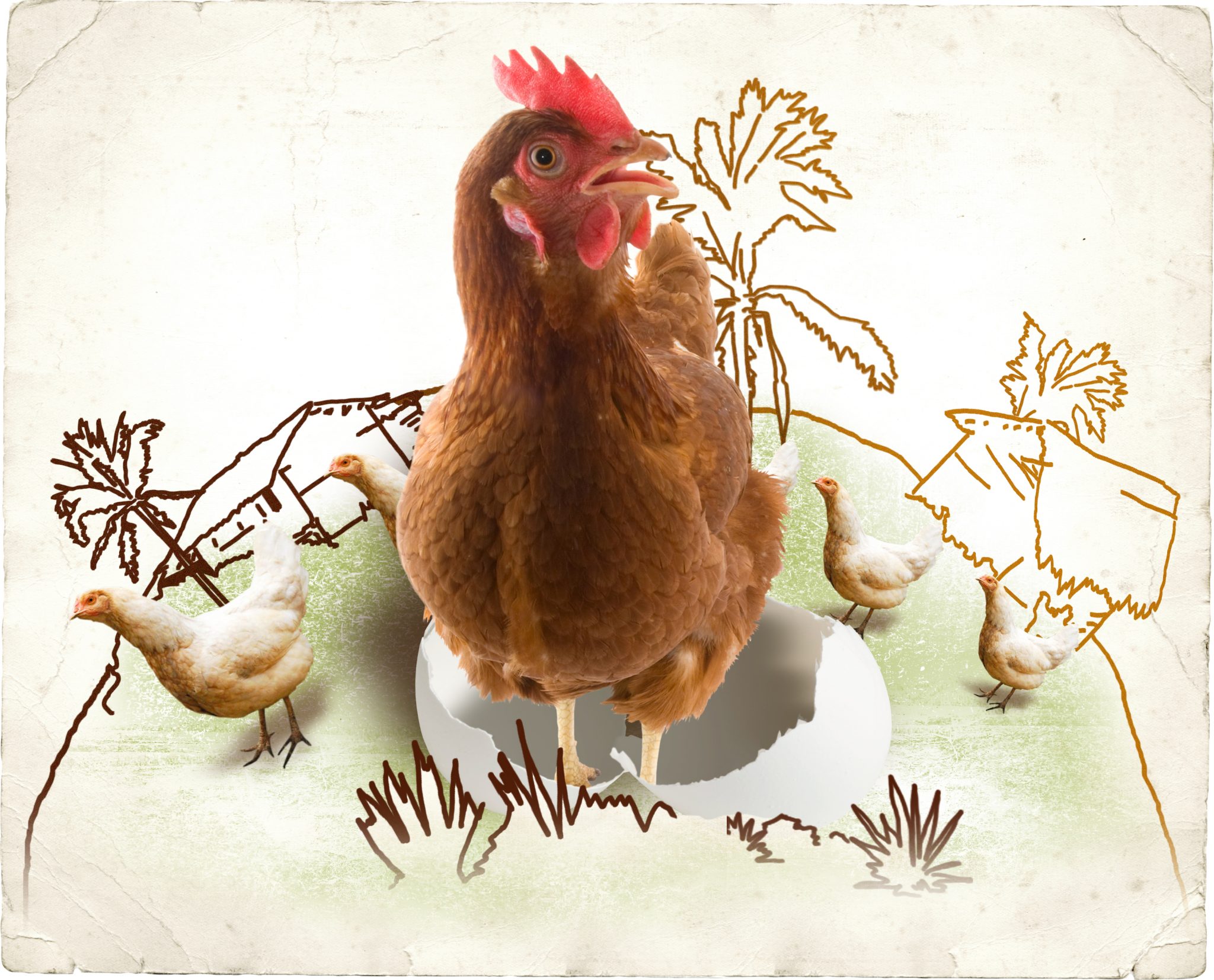
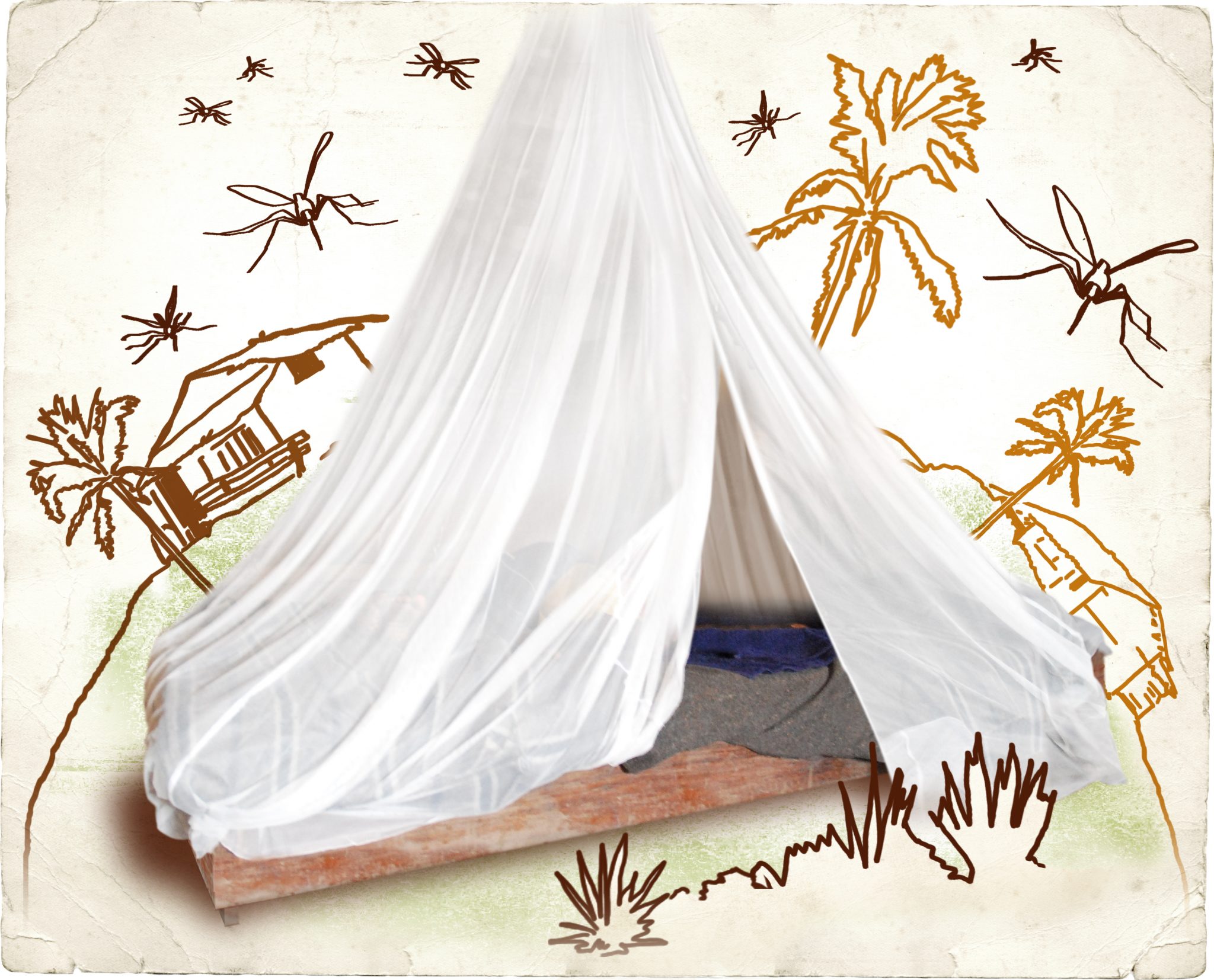
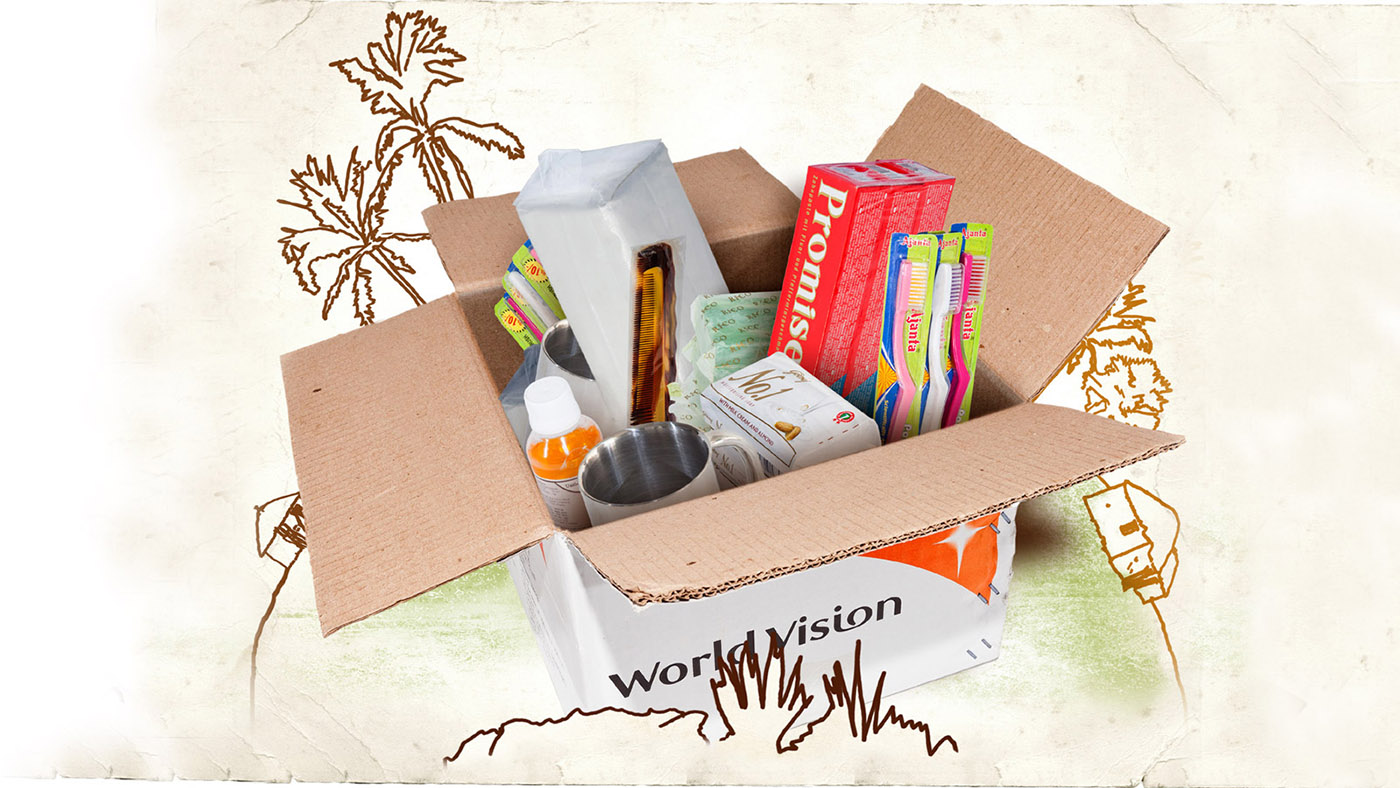
Auch heuer gibt es bei World Vision wieder nachhaltige und sinnvolle Geschenkideen für „Gute Geschenke“. In unserem Online-Geschenkeshop unter www.worldvision.at/geschenke reicht die Auswahl von Ziegen über Solarlampen bis hin zu Nothilfepaketen und Gesundheitskits.
„Jedes dieser Geschenke erfreut nicht nur die Beschenkten, sondern unterstützt Kinder und ihre Familien in den ärmsten Regionen der Welt“, so Claudia Brogyanyi, Leitung Fundraising bei World Vision Österreich. „Bereits im Vorfeld ermitteln World Vision-Mitarbeiter mit den Menschen vor Ort, welchen dringenden Bedarf es in den Projektländern gibt. Dementsprechend gestaltet sich die Auswahl der Geschenke.“
Spenderinnen und Spender wählen ihre „Guten Geschenke“ im Online Shop unter www.worldvision.at/geschenke, drucken sich die passende Geschenk-Urkunde mit persönlicher Widmung aus und überraschen damit ihre Familie, Freunde oder auch Geschäftspartner.
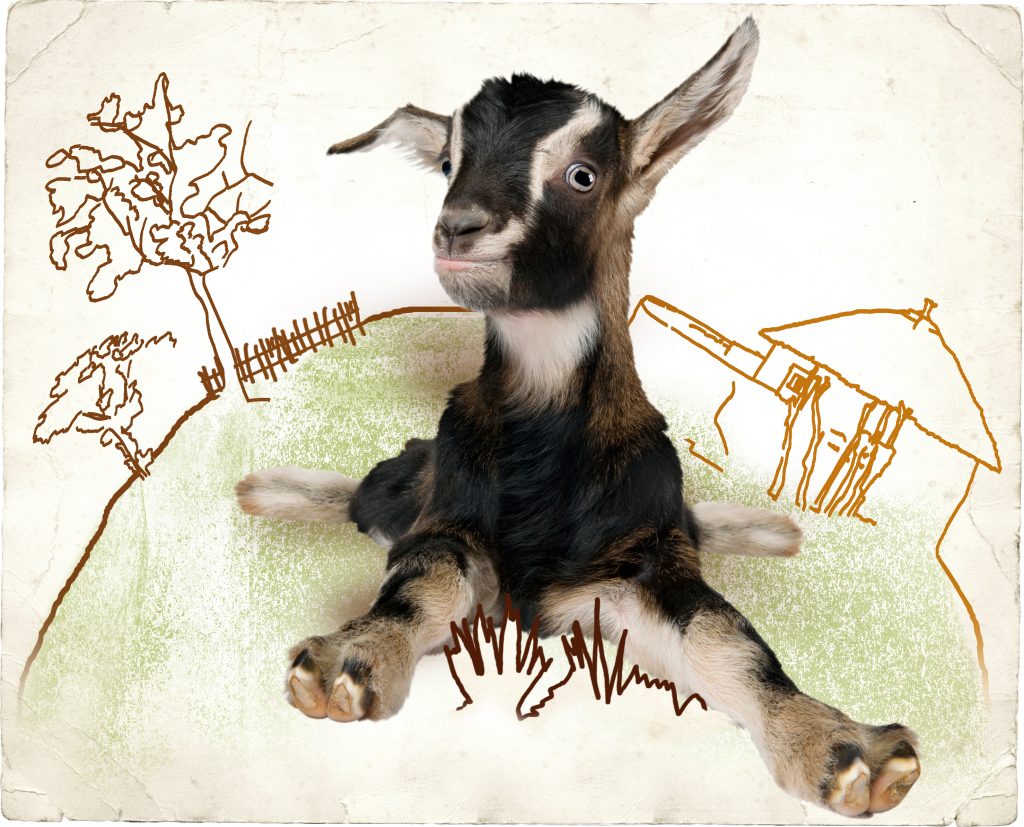
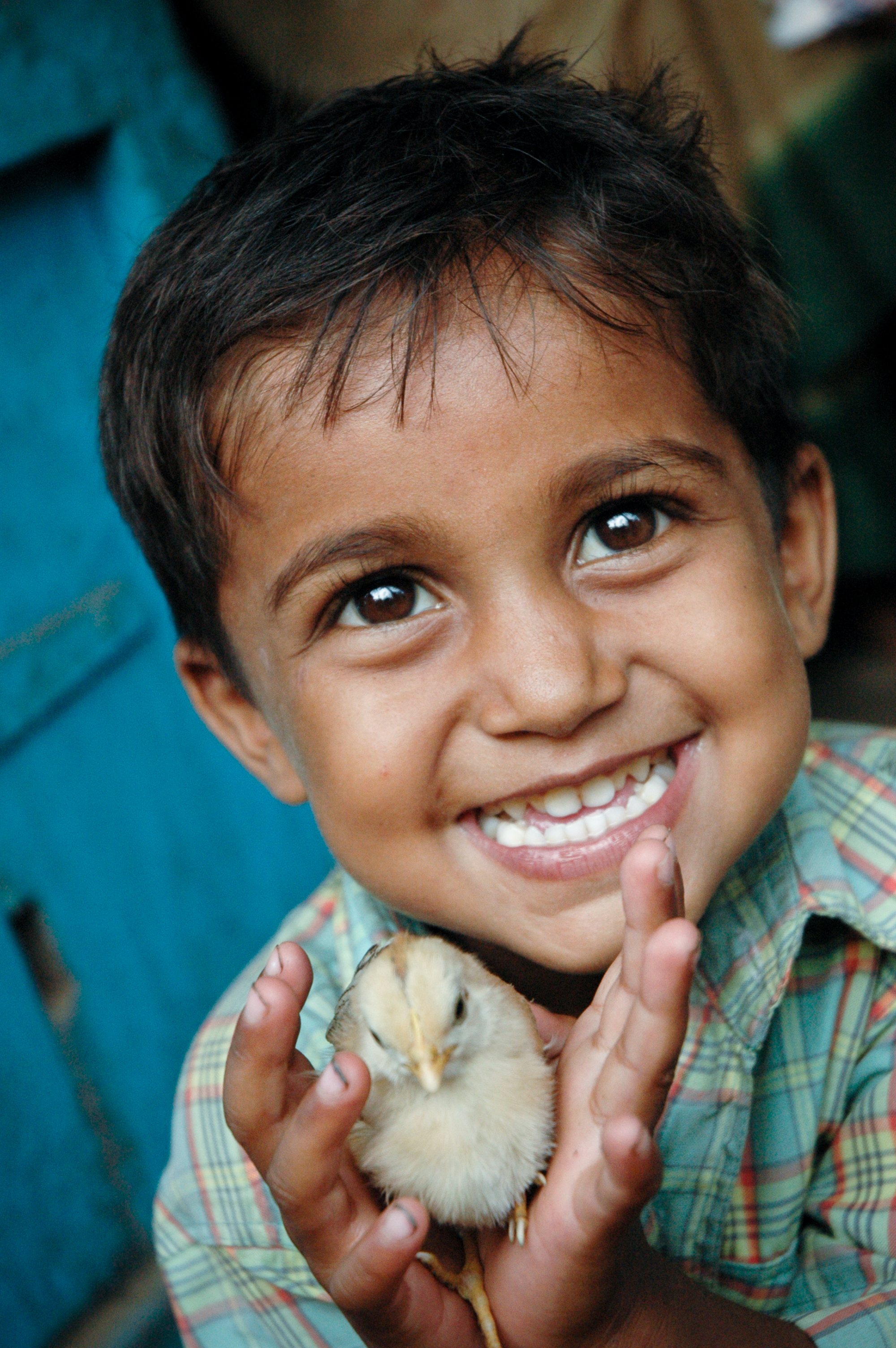
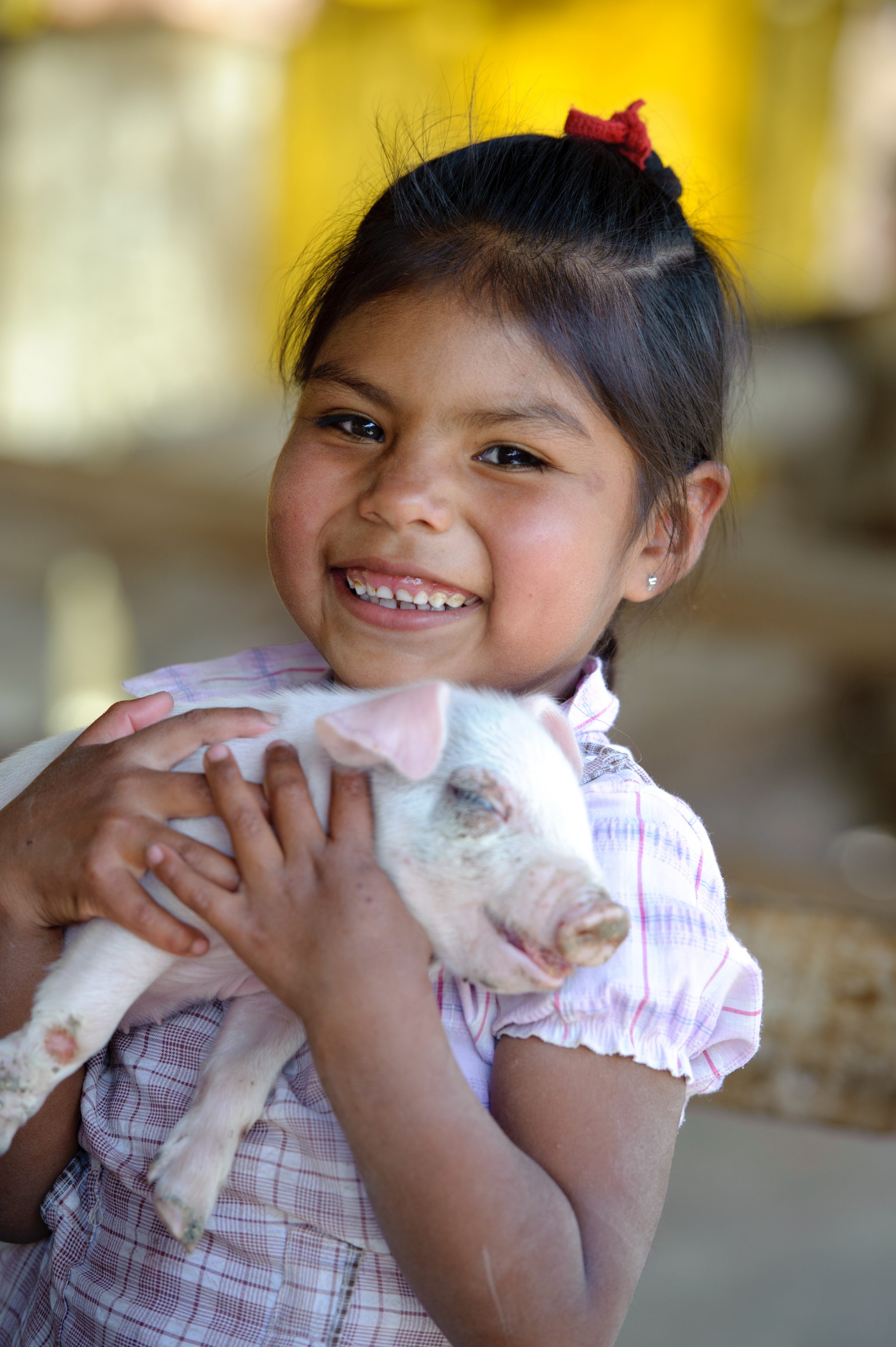
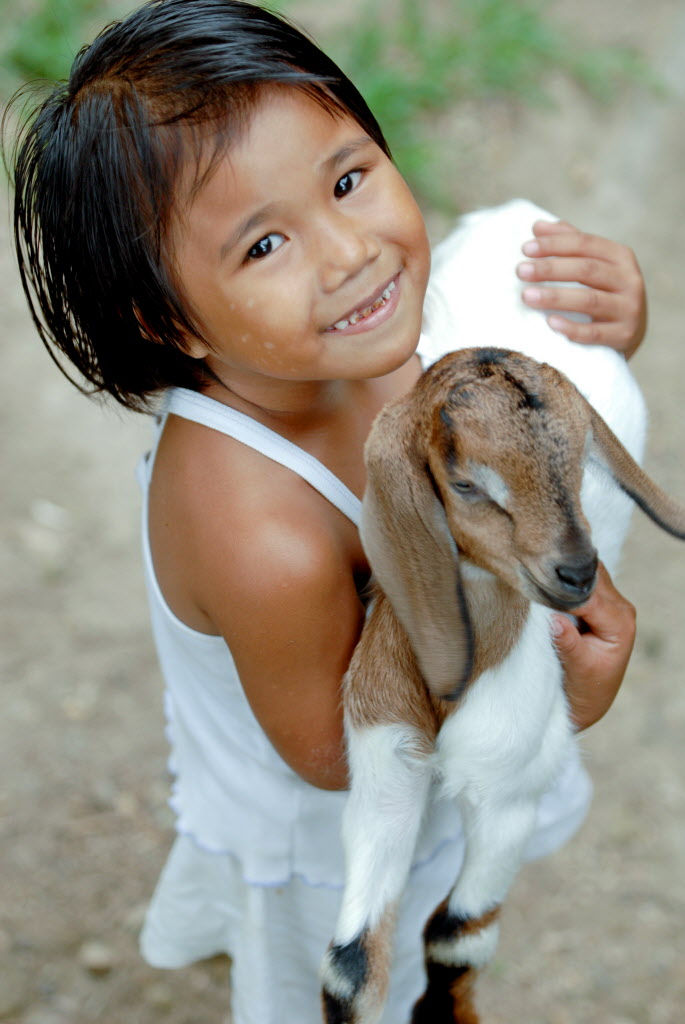
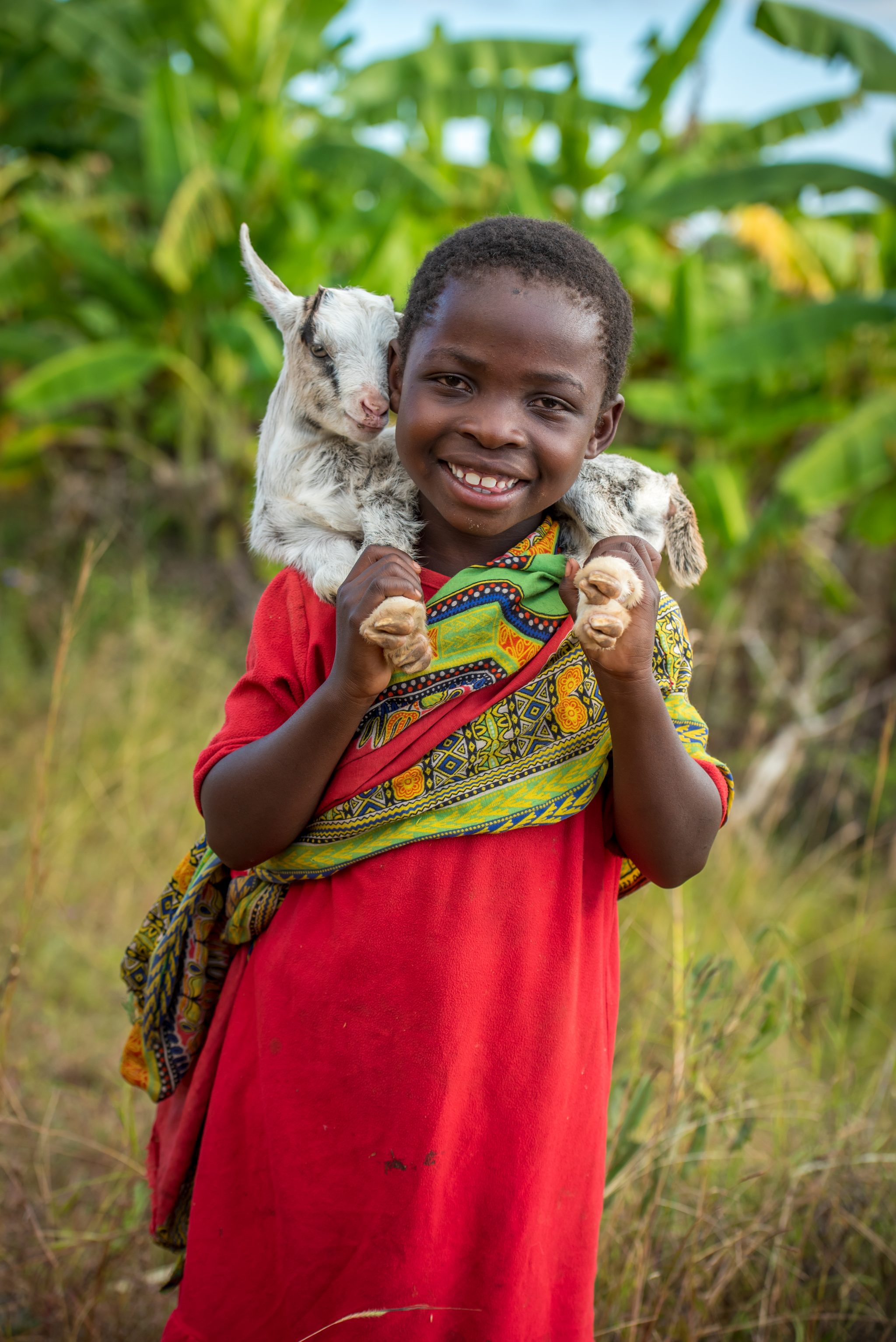
8 Euro: Eine Ziege ist ein ebenso robustes wie nützliches Tier und liefert einen wertvollen Beitrag für ein besseres Leben.
48 Euro: Auf der Flucht zu sein, ist für Kinder besonders schlimm. Mit einem Spielzeug-Set können syrische Flüchtlingskinder im Libanon wieder unbeschwert spielen und sich erholen.
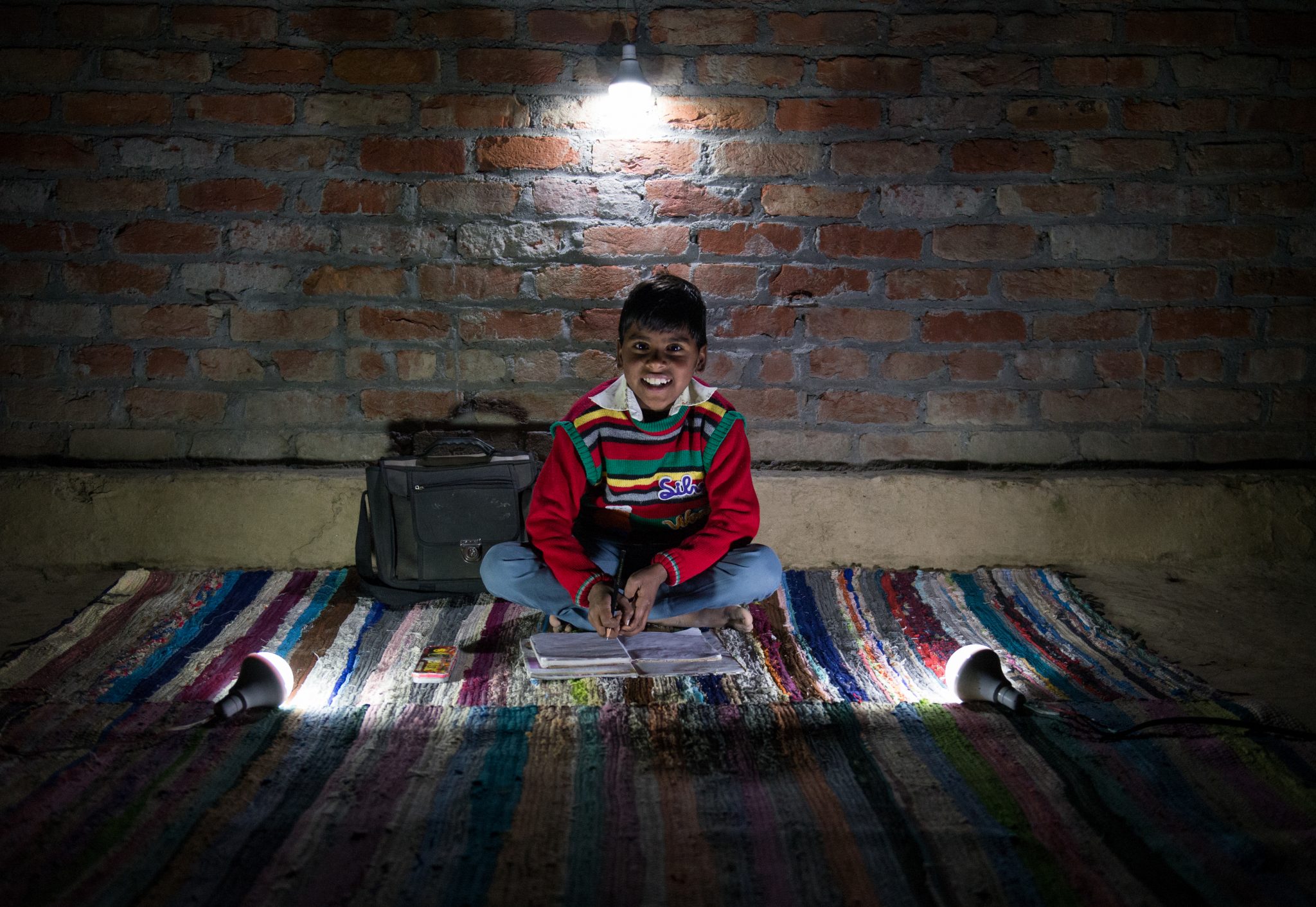
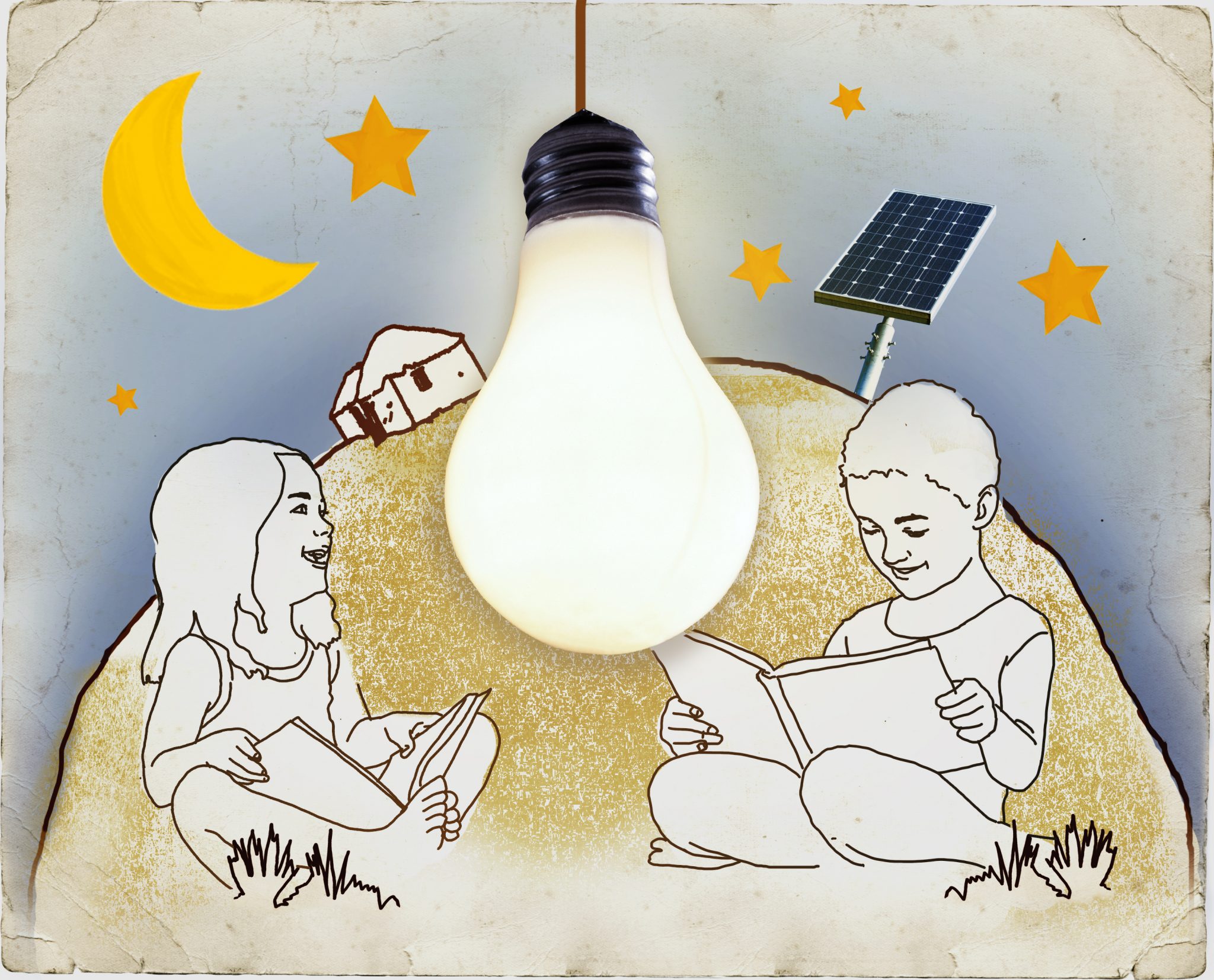
55 Euro: Mit dem Licht einer Solarlampe können Kinder und ihre Familien auch nach Einbruch der Dunkelheit noch lesen und lernen.
160 Euro: Familien und Kinder in armen Ländern haben oftmals keinen Zugang zu medizinischer Versorgung. Die Gesundheitssysteme stießen schon vor der Corona-Pandemie an ihre Grenzen. Die Gesundheitshelferinnen und -helfer von World Vision sind oft die Einzigen, die Menschen in abgelegenen Regionen erreichen und vor Ort behandeln. Mit dem Guten Geschenk Gesundheits-Kit werden sie zu Gesundheit, Ernährung und Hygiene geschult und mit Schutzkleidung, Rucksäcken, Hygieneartikeln, Medikamenten und Vitaminen ausgestattet.
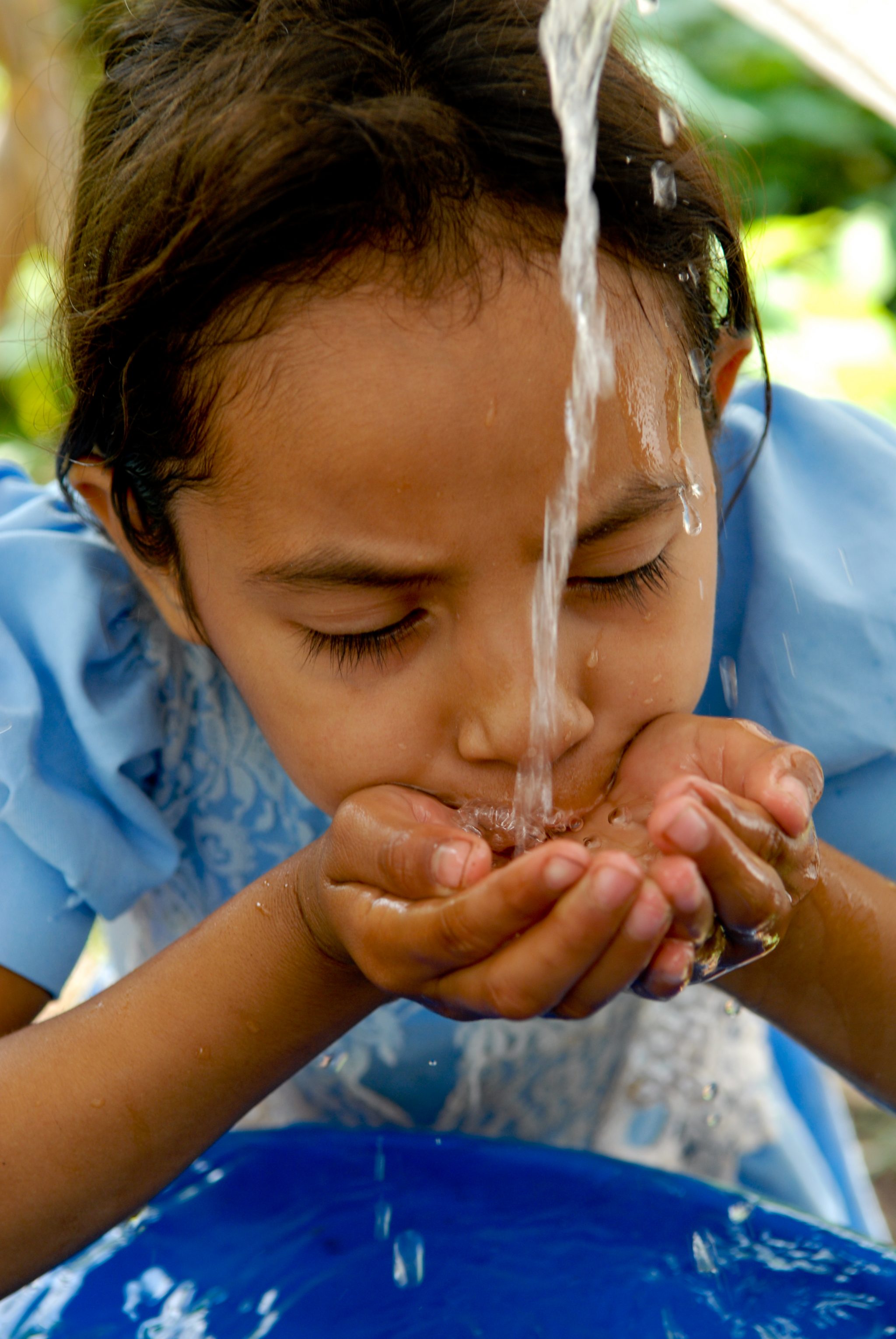
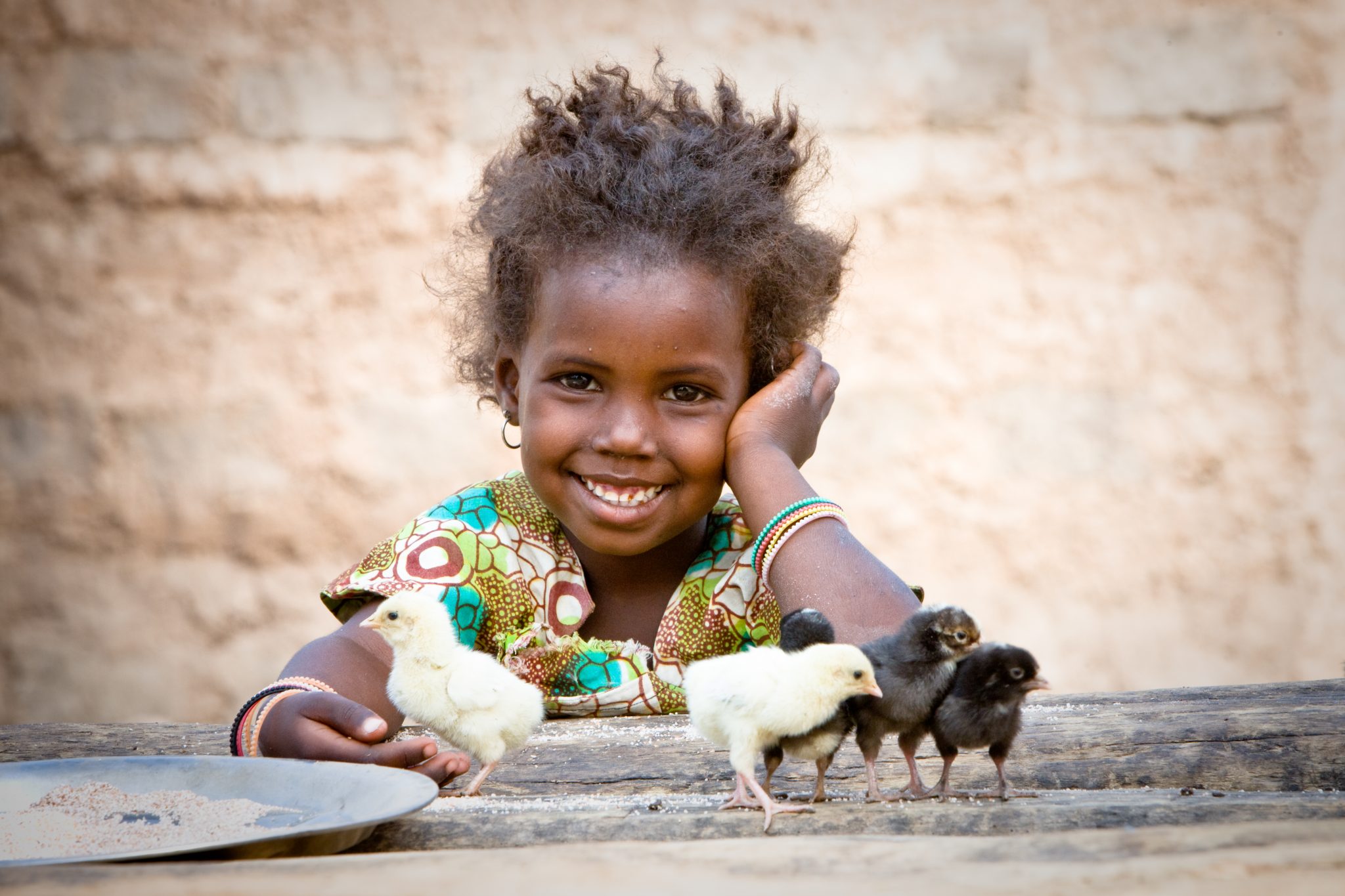
Edith Patricia Calderon, 8, with the new water faucet at her home. World Vision brought potable water to many homes in her community. No story or summary available. These photos were originally submitted to WV Canada photo library under their file # CD105-006. For further information, contact Robert Vesleno at WV Canada. Latin America digital color verticalYoung boy with chick Project name: ADP Miraj Asia digital color verticalArminda Alegre, 6, whose family’s fortunes were dramatically changed by the gift of 2 pigs from the Gift Catalog. Gift Catalog Pig Story–From Suicidal to Successful–story by Kari Costanza.Summary: Arminda Alegre, 6, whose family’s fortunes were dramatically changed by the git of 2 pigs from the Gift Catalog. Gift Catalog Pig Story–From Suicidal to Successful–story by Kari Costanza. In Vinto Chico, Viloma ADP, Bolivia. Family: Oscar Alegre, father; Elena, mother; Jimmy, 18; Jonathan, 16; Dennis, 13; Brian, 8;Arminda, 6.Project name: ADP Viloma – USA Funding: United States Latin America digital color verticalEight-year-old Alam studying with the help of the solar lights. „We had to take turns to study as the light from our kerosene-powered lamps was insufficient for us five siblings. The dim light caused eye irritation due to smoke emitted and was straining to the eye. Studying for examinations was the most challenging part,“ says Farzana, Alam’s sister. „We go to our friend’s house to play carrom, snake and ladder games in the night. Since the solar bulbs are very luminous, all my siblings can study together and my grades have improved,“ he says. Alam aspires to become a school teacher so that he can brighten up the lives of the less fortunate in his community. Summary: Solar bulbs provided by World Vision have provided a new way of life to more than 400 families in Sambhal, Uttar Pradesh, India. Daily activities have extended into the evenings by about six hours and families such as Farzana’s are experiencing much more productivity. Project/ADP Name: Moradabad ADPMary Joy Miguel (age 4) holding a goat. Select images sent from WV Canada, CD310-003. Contact Robert Vesleño for full file of photos. For SHARE assignment s080326-3. See story in Scribe. Summary: Mary Jane and Melecio Miguel received six goats (five does and one buck) from World Vision Canada’s gift catalogue in April 2007. The Miguels have 10 children and the goats will help provide them with milk and an extra source of income. The family works together to feed and care for the goats they received from World Vision. Project names: Aklan ADP ; Gift Catalogue Project-Animal Breeding Center And Demonstration Farm ; ADP Aklan Goat Raising Project Funding: Canada Asia digital color verticalGirl with chicks. Nafi Balde (age 4), Yiri Koye Village. Photo selects provided by World Vision Canada. Project name: Kounkane Adp Africa digital color horizontalPortraits of Debby holding a goat – potential Gift Catalog and Christmas promotion photos.Summary: Debby and her family are the central figures in the WVUS story that includes sponsorship, the Christmas gift catalog, and the WVI Global Power Claim that because of our community-focused solutions, for every child you help, 4 more children benefit, too.The family lives in Moyo AP in southern Zambia: start date October 1, 2009. Debbys family consists of her father, Obby Kachepo, 52, her mother, Melecy Sibinga, 38, and five siblingsthree brothers still live at home. Her brothers are Bini, 15, Bani, 12, and Addy, 10.Life used to be challenging in southern Zambia, says Debbys father, Obby, speaking in Tonga: We never had resources. We never had knowledge in the way World Vision has brought knowledge about life now. We lived more or less like animals. We never had a toilet. You would cover a long distance and you were drawing from a shallow water and streams, which was dirty water. Death was very common in those days. People were dying from preventable diseases. Obbys older sister died of cholera. The familys six-year-old boy died of diarrhea.In 2013, things changed, he says. God answered our prayers through World Vision. Obby became a caregiver and today looks after 120 sponsored children. The goats came in 2013 as part of the pass on program. The family received fiveone male and four females. The breed which World Vision brought was a different breed, he says. They were big goats. The cross breeding made our traditional goats bigger. They make more money. The life of the family has completely turned around.Today they live in a sturdy home with a tin roof, instead of a grass-thatched roof that leaked. Obby says the WVI Global Power Claim is true. A lot of children who are not sponsored benefit from the children who are sponsored. One borehole drilled in the village is not only for the sponsored children, but all tHühner_visualMoskitonetze_visualDGG_urkunde_update.inddSchulklasse_visualSolarlampe_visualAkkar province is northern Lebanon and it is a province bordering with Syria. Since the start of the Syria Crisis, Akkar was and still is hosting hundreds of thousands of Syrian families who fled the ongoing clashes. World Vision Lebanon, established an early childhood education center, hosting children from 3 to 6 years old to learn Arabic, English, science and life skills along with recreational activities, theater… World Vision is providing this children with education, food and snacks and a ride home. Six years old children are referred back to formal schooling through coordination between World Vision and the ministry of education.
Österreichs erste Multi-Media-Community für Eltern und Kinder mit dem Ziel, den buntesten und anspruchsvollsten Familien-Club in Österreich aufzubauen. familiii dient der Förderung des Miteinanders innerhalb der Familie und dem intensiven Erfahrungsaustausch.